
Odor removal
Vault’s crew is IICRC OCT (Odor Control) certified. We find the source of the odor, remove it where possible and treat the remaining surfaces.
- Call any hour: (385) 250-2825 is answered live 24/7 by the Vault crew. 45-minute arrival inside Provo city limits (Monday–Saturday, 8 AM–5 PM); typically under 60 minutes elsewhere in our Utah County service area.
- In-house: source removal, HEPA air scrubbers, antimicrobial and odor-counteractant treatment, and HVAC system cleaning when smoke penetrated it.
- Who does the work: Vault’s own W-2 crew, IICRC certified in WRT, ASD, AMRT and OCT, under Utah DOPL General Contractor License #11876543-5501. No subcontractors. Meet the team
- Insurance: Xactimate scopes, direct billing to State Farm, USAA, Allstate, Farmers and Bear River Mutual.
- Warranty: 24-month workmanship warranty on the rebuild. Warranty details · Financing
- Family-owned and veteran-operated, based in Provo since 2020.
Water damage restoration · Mold remediation · Sewage cleanup · Reconstruction & repairs
Professional Odor Removal Services — Utah County
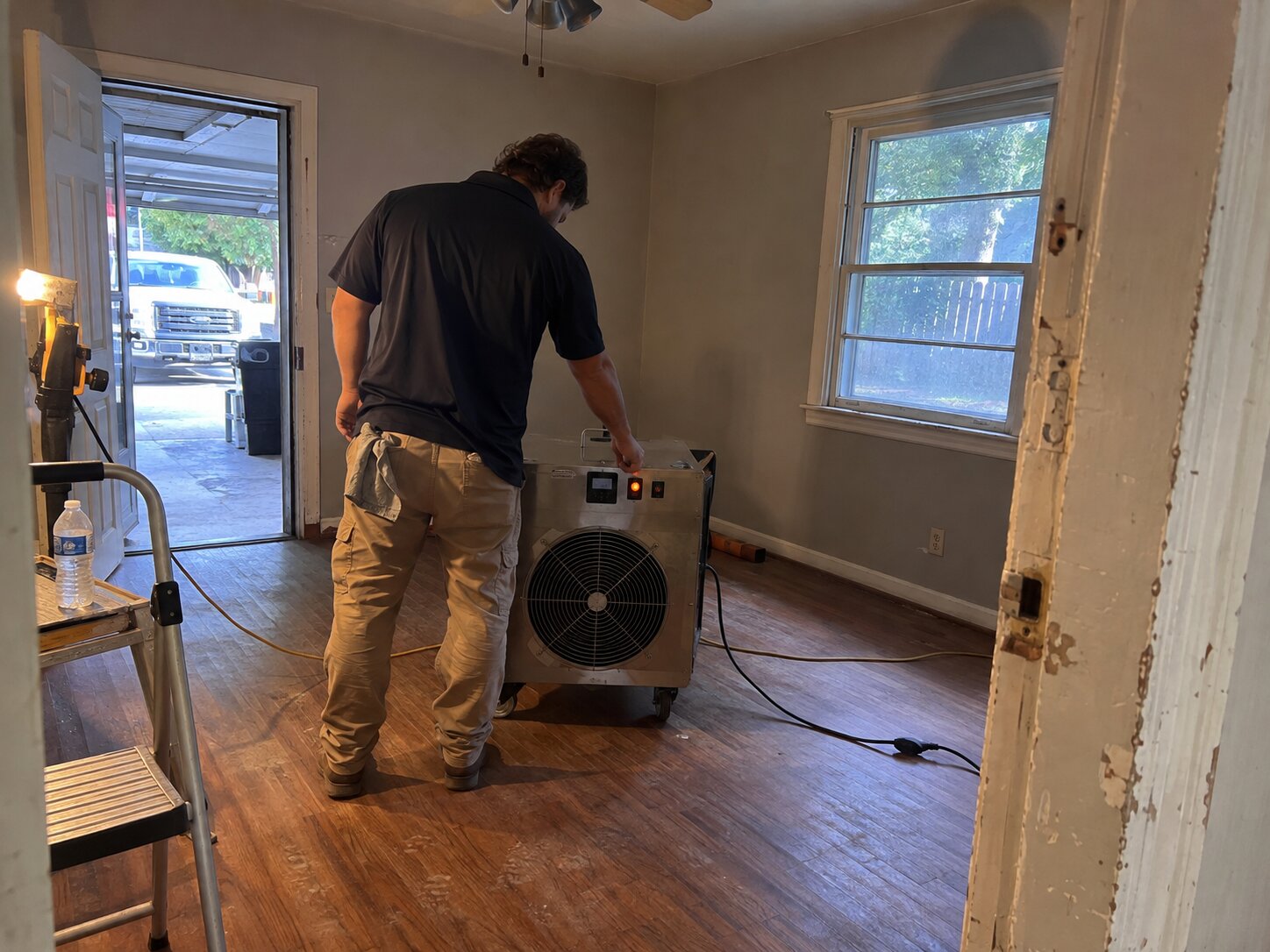
Odor removal is a technical field with more variation than most property owners expect. Persistent odor rarely comes from a single, easily-identified source — it typically involves multiple contributing factors, absorbed compounds in porous materials, and ongoing off-gassing from substrates that visual inspection can’t identify. Effective odor removal requires source identification, appropriate treatment method selection, and often multiple treatment passes rather than a single application of any one method. Vault Mold Removal provides professional odor removal services across Utah County using hydroxyl generators, ozone treatment, thermal fogging, and encapsulating sealers matched to the specific odor situation. This page describes the primary odor sources we encounter, treatment methods, and what property owners should understand about odor removal work.
Common Odor Sources We Address
Smoke and Fire Odor
Post-fire smoke odor is the most common odor removal situation. Smoke odor comes from combustion products absorbed into porous materials (drywall, wood, textiles, insulation, HVAC ductwork) and continues off-gassing for months or years without treatment. Even minor cooking-related smoke events (protein fires, extended overheating) can produce persistent odor that resists standard cleaning approaches.
Pet Urine and Odor
Pet urine odor from cats and dogs is one of the most persistent residential odor challenges. Urine soaks into carpet padding, subfloor, and even concrete slabs; the bacterial and enzymatic breakdown of urine produces ongoing odor generation over years. Standard carpet cleaning addresses only the surface; effective treatment requires enzyme-based cleaning that reaches the actual contamination depth. Multi-cat households, rental properties with turnover pet history, and older properties with accumulated exposure all present specific challenges.
Decomposition and Death Odor
Unattended death situations, wildlife decomposition (rodents in walls, larger animals in attic or crawlspace), and prolonged food spoilage produce distinctive decomposition odors. These situations combine biological contamination with severe odor loading and typically require biohazard cleanup protocols in addition to odor treatment. Utah County property managers occasionally encounter these situations in rental properties or seasonal properties that were unoccupied for extended periods.
Mildew and Musty Odor
Mildew odor comes from active or recently-active mold and mildew growth. Effective treatment requires resolution of the underlying moisture source and remediation of the mold growth, not just odor treatment on top of ongoing biological activity. Musty odor without visible mold often indicates hidden colonization that warrants investigation.
Cooking Odor
Extreme cooking odor (spicy cuisines, extended commercial cooking, specific ingredients) can produce lingering odors that resist standard cleaning. Common in rental property turnovers, purchased homes from culturally-different previous owners, and long-term commercial food operations with accumulated exposure.
Chemical and VOC Odor
Chemical odor sources include: new construction off-gassing (fresh paint, new carpet, new cabinets), cleaning product residue from over-aggressive cleaning attempts, chemical spills, DIY project residues (varnish, adhesive, solvent), and industrial or occupational contamination.
Cigarette and Cannabis Smoke
Tobacco smoke residue accumulates over years in occupied properties and produces some of the most persistent residential odors. Nicotine and tar residues stain walls, ceilings, and hard surfaces; the same residue absorbs into carpets, insulation, and HVAC systems. Cannabis smoke has similar characteristics with slightly different chemistry. Rental property turnovers, purchased homes from smoking previous owners, and commercial properties with prior smoking allowances all present these situations.
Tenant Turnover Combined Odor
Rental property turnovers often present multiple combined odor sources: cooking, pet, smoking, and general occupancy odor accumulated over months or years. Treatment for turnover situations typically involves multiple treatment approaches applied in sequence.
Treatment Methods and When Each Is Appropriate
Hydroxyl Generators
Hydroxyl generators produce hydroxyl radicals (·OH) — the same naturally-occurring atmospheric compound that breaks down odors and pollutants in outdoor air. Hydroxyl radicals oxidize odor molecules at the chemical level, breaking them down into simpler compounds that don’t produce odor.
Advantages:
- Safe for occupied spaces — hydroxyl generators can operate with people, pets, and plants present
- No material damage to rubber, plastics, paint, or textiles
- Effective on broad spectrum of odor types
- No harmful residue after treatment
Limitations:
- Slower action than ozone — typical treatment duration 24–96 hours
- Requires airflow for effectiveness — enclosed cavities may not receive adequate treatment
- Higher equipment cost than ozone (which affects treatment pricing)
Best applications: occupied properties (rental turnovers with brief occupancy gaps, homes with elderly or health-sensitive occupants), light to moderate odor situations, and any situation where material damage from ozone is a concern.
Ozone Generators
Ozone generators produce high concentrations of ozone (O₃) that aggressively oxidize odor compounds. Ozone treatment is highly effective for many odor situations but requires specific application protocols.
Advantages:
- Fast action — typical treatment duration 4–24 hours
- Effective on most odor types including severe situations
- Penetrates enclosed spaces effectively through diffusion
- Cost-effective for larger areas due to shorter treatment time
Limitations:
- Requires vacant space during treatment — ozone is harmful to people, pets, and plants at treatment concentrations
- Can damage rubber, some plastics, and specific paint finishes
- Post-treatment ventilation required before reoccupation (typically 4–12 hours)
- Not appropriate for occupied buildings without complete vacancy protocol
Best applications: vacant properties (turnovers with adequate vacancy window, sold properties before move-in), severe odor situations, and larger commercial spaces.
Thermal Fogging
Thermal fogging uses heated deodorizing solution vaporized into a fine fog that penetrates porous materials, enclosed spaces, and hidden cavities. The fog particles are similar in size to the smoke or odor particles they’re neutralizing, allowing them to reach the same absorption points and chemically combine with odor molecules.
Advantages:
- Excellent penetration into porous materials and hidden spaces
- Effective for smoke odor specifically (fog particles similar in size to smoke particles reach the same absorption locations)
- Multiple product formulations for different odor types
Limitations:
- Requires vacant space during treatment
- Post-treatment ventilation required
- Some materials require pre-treatment protection
- Best as one component of multi-method treatment rather than standalone approach
Best applications: smoke and fire odor situations, in combination with other treatment methods, and situations where penetration into hidden cavities is important.
Encapsulating Sealers
Encapsulating sealers are specialty primers or coatings applied to substrate surfaces to seal in residual odor sources. They don’t remove odor — they trap any remaining residue behind an impermeable coating that prevents off-gassing.
Applications: after cleaning and other odor treatment, applied to substrates where absorbed contamination can’t be fully removed but can be permanently sealed off. Common on drywall after smoke damage, on subfloor after pet urine cleanup, and in situations where full material replacement isn’t feasible.
Source Removal and Material Replacement
Sometimes odor treatment methods aren’t enough — the underlying substrate is too contaminated for effective treatment, and the only reliable solution is physical removal and replacement. Common situations requiring material replacement:
- Carpet padding heavily saturated with pet urine over years
- Subfloor with deep contamination that penetrates below the surface
- Insulation with severe smoke or biological contamination
- Materials with structural damage that would need replacement regardless
Diagnostic Assessment
Effective odor removal starts with diagnostic assessment to identify the odor source, extent of contamination, and treatment approach. Our diagnostic process:
- Visual and olfactory assessment of the property, room-by-room
- UV blacklight inspection for pet urine contamination (urine fluoresces under UV)
- Moisture and humidity assessment (mold-related odors)
- HVAC system inspection (ductwork often holds distributed odor throughout property)
- Substrate assessment (which surfaces hold contamination, which materials may need replacement)
- Occupant interview for odor history and known contributing events
The diagnostic assessment produces a specific treatment plan matched to the identified odor sources, not a generic “we’ll ozone everything” approach.
Frequently Asked Questions
- Can you guarantee odor removal?
- We guarantee treatment work performed according to the diagnosed scope; we don’t guarantee that all odor will be gone after treatment, because odor removal is a complex outcome dependent on factors beyond just the treatment work itself. If the diagnosed treatment plan is executed properly and the odor doesn’t fully resolve, we investigate whether additional contamination sources exist that weren’t identified in initial assessment, or whether additional treatment approaches are warranted. Sometimes complete odor resolution requires physical material replacement that wasn’t part of the initial treatment scope. What we do guarantee: proper diagnosis, appropriate treatment methodology, and honest communication about what odor treatment can and can’t accomplish for your specific situation.
- How much does professional odor removal cost?
- Depends on the specific situation. Small localized treatment (single room, moderate odor loading) typically runs $300–$800. Standard residential whole-property treatment typically runs $1,500–$4,000 depending on square footage and treatment complexity. Multi-method treatment involving both hydroxyl and ozone, or requiring material replacement in addition to treatment, can run $4,000–$15,000 or more. Turnover treatment for rental properties typically has volume pricing for property management clients. Fire damage odor treatment is typically part of the overall fire restoration scope rather than billed separately. The diagnostic assessment ($150–$300 depending on property size) precedes any treatment quote.
- My apartment building is doing ozone treatment in a neighboring unit. Is that safe for my unit?
- Generally yes with proper containment, but there are specific considerations. Ozone at treatment concentrations shouldn’t migrate to adjacent units when standard vacancy protocols are followed — the treated unit is sealed at all penetrations (HVAC returns, plumbing penetrations, door and window gaps) during treatment. However, HVAC systems shared between units can transport ozone if the treatment isn’t properly isolated. If your building is doing ozone treatment in an adjacent unit and you have concerns, appropriate response is: verify with the property management that HVAC isolation is in place, avoid running your own HVAC system if it shares any air path with the treated unit, and ventilate your unit if you detect any ozone odor (distinctive metallic or chlorine-like smell). For sensitive individuals (respiratory conditions, pregnant women, small children), consider temporary relocation during treatment as a precaution. Property managers should communicate treatment schedules to adjacent-unit occupants proactively.
- Will ozone treatment ruin my houseplants?
- Yes, at treatment concentrations. Ozone at 5–20 ppm (typical treatment concentration) causes cellular damage to plant tissue and typically kills or severely damages houseplants that are present during treatment. Standard protocol for ozone treatment includes removing all plants from the treated space before treatment begins, along with pets and people. Plants can be returned after post-treatment ventilation is complete. If plants are inadvertently exposed to ozone treatment, they’ll typically show leaf browning and dieback within 24–48 hours; severe exposure may kill the plant entirely. Hydroxyl generator treatment doesn’t have this concern — hydroxyl radicals are safe for plants at treatment concentrations, which is one reason we prefer hydroxyl for occupied and semi-occupied situations.
- How long after treatment before I can smell whether it worked?
- Depends on treatment method. Ozone treatment: ventilate for 4–12 hours after treatment ends, then assess. The immediate post-ventilation smell should be significantly reduced from pre-treatment; residual odor typically fades further over 24–72 hours as any remaining chemistry stabilizes. Hydroxyl treatment: assessment can occur immediately after treatment ends (no ventilation required); improvement continues over 24–48 hours as treatment effects fully stabilize. Thermal fogging: ventilate for 4–8 hours after treatment, then assess. If odor is still present after appropriate assessment period, additional treatment may be warranted — sometimes odor situations require multiple treatment passes for full resolution.
Contact Vault Mold Removal — Provo, UT
For odor removal assessment, rental property turnover treatment, or questions about specific odor situations in your Utah County property, contact our office directly.
- Phone: (385) 250-2825
- Address: 1169 S 760 W, Provo, UT 84601
- Utah DOPL General Contractor License: #11876543-5501
- IICRC WRT / ASD / AMRT / OCT: #248317 / #248317-ASD / #319482 / #319482-OCT
Office Hours
- Monday – Saturday: 9:00 AM – 5:00 PM
- Sunday: Closed
Helpful guides: Sewer gas smell · Wildfire smoke
Frequently asked questions
What causes most of the hard-to-remove odors?
Sewage, smoke, dead animals, cigarette residue, and prolonged moisture are the common ones. Each needs cleaning the source first — fogging a smelly house without cleaning rarely sticks.
Do you use hydroxyl generators or ozone?
Both have their place. Hydroxyls work with people in the space; ozone requires the area to be unoccupied. The right choice depends on the material and the type of odor.
How long does odor removal take?
Light cases can finish in a day or two of treatment after cleaning. Heavy smoke or sewage can take a week or more, with multiple passes.
Questions we didn’t cover? Call (385) 250-2825.