
Storm damage restoration at a glance
- Call any hour: (385) 250-2825 is answered live 24/7 by the Vault crew, not a call center. 45-minute arrival guarantee inside Provo city limits (Monday–Saturday, 8 AM–5 PM); typically under 60 minutes elsewhere in our Utah County service area.
- Who does the work: Vault’s own W-2 crew, IICRC certified in WRT, ASD, AMRT and OCT, working under Utah DOPL General Contractor License #11876543-5501. The same license covers roof tarping, water extraction, drying and reconstruction. No subcontractors. Meet the team
- Insurance: we document the damage, write the scope in Xactimate and bill State Farm, USAA, Allstate, Farmers or Bear River Mutual directly.
- Warranty: 24-month workmanship warranty on the rebuild, plus a 90-day mold warranty from post-remediation clearance where mold work was done. Warranty details
- Financing: through Wisetack, $500–$25,000 over 3–24 months, soft credit check. Financing
- Family-owned and veteran-operated, based in Provo since 2020.
Water damage restoration · Mold remediation · Sewage cleanup · Reconstruction & repairs
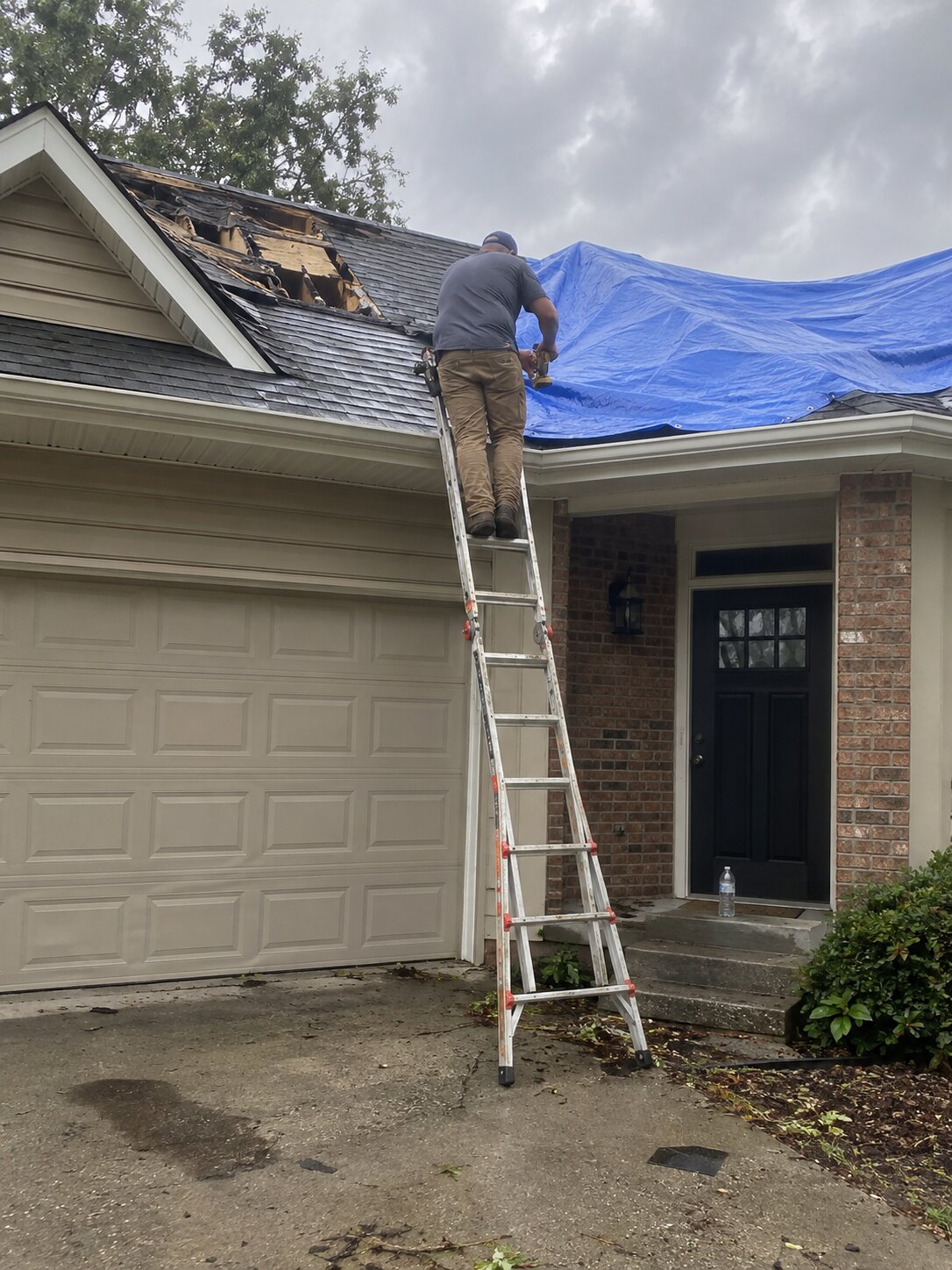
Storm Damage Restoration — Utah County
Storm damage in Utah County reflects the specific weather patterns of the Wasatch Front: heavy winter storms with snow loading and ice dam potential, spring windstorms that can produce significant structural damage, summer monsoon patterns with flash flooding and hail, and shoulder-season events that combine multiple hazards. Each storm type creates specific damage patterns and specific response requirements. Vault Mold Removal handles storm damage response across Utah County covering the water intrusion, wind damage, and structural response required for typical storm events. Standard capability spans emergency response (board-up, roof tarping, immediate water extraction), damage assessment and documentation for insurance claims, and reconstruction coordination for the reconstruction phase. This page describes the storm types we typically encounter in Utah County and how our response addresses each.
Utah County Storm Types
Windstorms
Utah County experiences significant windstorms, particularly during shoulder seasons when temperature contrasts drive high-pressure gradients across the Wasatch Front. Common wind damage patterns:
- Roofing damage including lifted or displaced shingles, exposed underlayment, and damage to roof penetrations
- Fence and outbuilding damage or collapse
- Tree damage including fallen limbs onto structures and complete tree failures
- Window damage from wind-driven debris
- Siding damage on exposed elevations
- Water intrusion through wind-damaged roofing during subsequent precipitation
Utah windstorm events sometimes reach hurricane-force velocities in specific corridors, particularly the Rush Valley, Cedar Valley, and canyon exits. Utah County exposure varies by elevation and location relative to canyon outflow patterns.
Hail Storms
Utah County typically experiences hail during spring and early summer thunderstorm activity, with occasional severe hail events producing golf-ball to baseball-size hail. Hail damage patterns:
- Roof damage including shingle granule loss, cracked shingles, or complete shingle failure for severe hail
- Skylight and vent damage
- Siding damage particularly to vinyl and aluminum siding
- Window damage for larger hail
- Vehicle damage (not restoration scope but often associated with property damage claims)
- Landscaping damage
Hail damage is often subtle and requires professional assessment. Damage that isn’t immediately visible from ground level can significantly affect roof service life and lead to water intrusion months or years after the event. Insurance claims for hail damage have specific documentation requirements and often involve engineers or specialty hail damage inspectors for scope development.
Ice Dam Events
Ice dams are a specific Utah County winter phenomenon caused by the freeze-thaw cycle common in Wasatch Front winters. The pattern:
- Snow accumulation on roof
- Heat loss through the roof melts snow on upper portions
- Melt water runs down toward the eave
- Cold conditions at the unheated eave refreeze the water into an ice dam
- Additional melt water backs up behind the dam
- Water works its way under shingles and into the roof assembly
- Interior water damage appears on ceilings and walls of the affected areas
Ice dam damage typically appears in top-floor rooms and can produce significant water damage over hours or days of active melt-freeze cycling. Response involves emergency ice dam removal (steam-based removal is standard; chemical removal is a distant secondary option), interior water damage assessment and drying, roofing assessment for shingle and underlayment damage, and often insulation and ventilation assessment for the underlying cause resolution.
Monsoon Flash Flooding
Summer monsoon patterns produce thunderstorms with intense but short-duration precipitation. Flash flooding damage in Utah County:
- Overland flooding in low-elevation areas and drainage paths
- Basement flooding through window wells and grade-level penetrations
- Sewer backups when storm drainage exceeds sewer system capacity
- Foundation infiltration during high-water events
- Landscape damage from erosion
Monsoon flash flooding typically produces Category 3 water damage due to overland flow contamination. Response protocols follow standard Category 3 requirements: removal of affected porous materials, disinfection of remaining surfaces, and rebuilding rather than restoration for materials that contacted the water.
Spring Runoff Events
Spring snowmelt from Wasatch snowpack produces high runoff volumes in Utah County creeks, streams, and rivers. Properties in floodplain areas or adjacent to waterways can experience:
- Basement flooding from elevated groundwater
- Foundation water intrusion during peak runoff periods
- Landscaping damage from surface flow
- Sump pump overwhelmed by sustained groundwater
Spring runoff damage is typically Category 2 or Category 3 depending on the specific water source and property exposure.
Winter Storm Snow Loading
Heavy snow accumulation on Utah County roofs can produce structural stress and, in extreme cases, structural failure. Historic events have produced ceiling collapse in poorly-designed or aging structures. Response involves emergency shoring where structural integrity is compromised, water damage response after eventual snowmelt, and roofing assessment for damage from the snow load.
Frozen Pipe Events
Extreme cold events (below 5°F sustained overnight, which happens 5–10 nights per typical Utah County winter) produce frozen pipe failures. Common patterns:
- Exterior wall pipes without adequate insulation freezing when temperatures drop
- Attic pipes freezing during cold snaps
- Unheated garage or crawlspace pipes freezing
- Vacant property pipes freezing when heat isn’t maintained
- Pipes near air infiltration paths (rim joists, poorly-sealed exterior penetrations) freezing
The January 2023 Utah cold snap produced dozens of frozen pipe events across Utah County in a single week, with typical loss values in the $15,000–$40,000 range per affected property.
Our Storm Response Approach
Emergency Response
Storm response typically begins with emergency work to stop ongoing damage:
- Roof tarping for wind or hail damaged roofs allowing subsequent precipitation to shed away from the property
- Emergency board-up for damaged windows or wind-damaged siding
- Water extraction for interior water intrusion
- Drying setup to prevent additional damage during the restoration timeline
- Temporary electrical isolation if water contacted electrical systems
- Coordination with utility companies for damaged service connections
Damage Assessment
Storm damage assessment often involves multiple damage types across the property:
- Exterior damage documentation (roofing, siding, windows, landscaping)
- Interior water intrusion documentation with moisture mapping
- Structural damage assessment where applicable
- Contents damage inventory for personal property claim development
- Vehicle damage documentation when associated with property claims (typically separate auto insurance claims)
- Photo documentation supporting insurance claim development
Insurance Claim Coordination
Storm damage claims have specific characteristics:
- Wind and hail claims: Standard homeowner policy coverage with specific deductibles that sometimes differ from standard property deductibles (wind/hail deductibles may be percentage-based rather than fixed dollar amounts)
- Flood claims: Standard homeowner policies typically exclude flood damage; NFIP or private flood insurance required for coverage
- Frozen pipe claims: Typically covered under standard policies as sudden and accidental damage; may exclude damage from properties left unattended without heat
- Storm surge and overland flow: Coverage depends on specific cause of loss classification
Documentation practices matter for storm damage claims because damage from different storm causes has different coverage. Careful documentation of what damage came from what cause supports appropriate claim development.
Reconstruction Coordination
Storm damage reconstruction typically involves multiple trades:
- Roofing contractors for roof replacement or repair
- Siding contractors for exterior damage
- Window contractors for glass and unit replacement
- Structural repair contractors for framing damage
- Landscaping and tree service for outdoor damage
- Interior finish trades for water damage repair
Our approach coordinates these trades as part of the overall restoration project so property owners have single-point coordination rather than managing multiple contractors independently.
Emergency Response Availability
Storm events often affect multiple properties simultaneously in Utah County, creating capacity challenges for restoration contractors. During major storm events, response prioritization considers: active water intrusion severity (properties with ongoing water damage prioritized over those with completed events), safety-critical situations (structural damage, electrical hazards), and existing customer relationships. Standard response times may extend during major events; property owners can help themselves by taking initial safety and mitigation actions before restoration contractors arrive.
Frequently Asked Questions
- My roof was damaged in a storm but there’s no obvious water damage inside. Do I still need restoration services?
- Roof damage assessment yes; interior restoration only if damage is actually present. Storm roof damage that doesn’t produce immediate interior water damage still creates future risk: compromised roofing allows subsequent precipitation to enter over time, damage to underlayment and decking may not be visible from either the outside or inside, hail damage in particular is often subtle but significantly reduces roof service life. Standard response: professional roof inspection to document extent of damage, roofing contractor assessment for repair or replacement recommendations, insurance claim development if damage warrants coverage, and interior monitoring for delayed damage appearance. If interior water damage does develop later, prompt response is important; the insurance claim will connect the interior damage to the original storm event based on documentation from initial assessment. Most homeowner policies have time limits for filing storm damage claims (typically 1–2 years from the event), so timely initial assessment matters even if you don’t immediately need restoration work.
- My insurance company said my flood damage isn’t covered. What are my options?
- Depends on the specific cause and your specific coverage. Standard homeowner policies exclude “flood” defined as overland water flow from natural causes (rising water from rivers, lakes, or overland flow from precipitation). Flood coverage requires either NFIP (National Flood Insurance Program) or private flood insurance, and these policies must be in place before the event. What may still be covered under standard policies: damage from wind-driven rain entering through storm-damaged roofing or windows (wind is the cause of loss, water is the resulting damage), damage from sewer backup during flood events (may be covered under separate sewer backup coverage), damage from sump pump failure (may be covered under separate sump pump coverage). If your insurance company has denied a claim, options include: review the denial letter with an attorney or public adjuster to verify the coverage interpretation is correct, appeal internally with the insurance company if you believe the denial was in error, file a complaint with the Utah Insurance Department if you believe the denial violates policy provisions or regulatory requirements. For future events, review your coverage annually to ensure it matches your actual property risk exposure.
- How quickly should I get roof tarping after storm damage?
- As quickly as practical, especially if additional precipitation is forecast. Standard timing: emergency tarping within 24–48 hours of the initial event is ideal; sooner during active weather situations. The insurance duty-to-mitigate provision in standard homeowner policies requires reasonable steps to prevent additional damage after a covered event; failure to tarp promptly can result in coverage disputes for damage that occurs during the delay. During major storm events when many properties need emergency tarping, response times can extend beyond ideal; documented efforts to arrange tarping support insurance claims even when actual tarping is delayed by capacity issues across the market. Property owners can arrange DIY temporary tarping in the short term if professional response is delayed, though professional tarping is more reliable for extended periods and provides better documentation for insurance purposes.
- What about my landscaping damage from the storm?
- Depends on the specific damage and your specific policy. Standard homeowner policy landscaping coverage typically has specific limits (often $500–$1,000 per plant with total limits) and applies to specific causes of loss. Storm damage to landscaping is often covered but with the specific limit provisions. Tree damage has additional nuances: cost of removing fallen trees is often covered when the tree damaged insured property, while removal of fallen trees that didn’t damage anything is often not covered. Trees that fell on structures, driveways, or that block reasonable access to the property have different treatment than trees that fell in open landscape areas. Our approach includes documenting landscape damage as part of the overall property damage inventory, though landscape restoration itself is typically handled by landscaping contractors rather than restoration contractors. Insurance claim development for landscaping damage is often better supported by landscaping contractor scope than by restoration contractor documentation.
- How long does storm damage restoration typically take?
- Depends significantly on the damage extent and trades involved. Small storm damage (localized roof damage with limited water intrusion) typically takes 2–4 weeks including reconstruction. Standard storm damage (moderate roof damage, interior water damage in multiple rooms, some exterior repair) typically takes 4–10 weeks. Large storm damage (extensive roof replacement, significant structural damage, whole-property water damage) typically takes 3–6 months. Major events (structural collapse from wind or snow loading, extreme flooding, multiple simultaneous damage types) can extend beyond 6 months. During major regional storm events, timelines often extend beyond typical standards due to trade capacity issues across the restoration market — roofing contractors, in particular, are heavily booked after significant storm events and lead times can extend significantly.
Contact Vault Mold Removal — Provo, UT
For storm damage response, emergency tarping and board-up, or coordination for reconstruction after storm events, contact our office directly. Business-hours calls answered live; after-hours calls route to on-call rotation for time-sensitive events.
- Phone: (385) 250-2825
- Address: 1169 S 760 W, Provo, UT 84601
- Utah DOPL General Contractor License: #11876543-5501
- IICRC WRT / ASD / AMRT / OCT: #248317 / #248317-ASD / #319482 / #319482-OCT
Office Hours
- Monday – Saturday: 9:00 AM – 5:00 PM
- Sunday: Closed
Helpful guides: Clogged gutters · Wet insulation
Frequently asked questions
Is wind-driven rain the same as flood?
No. Wind-driven rain that gets in through a storm-damaged roof or window is usually covered by homeowners insurance. Flood from outside water on the ground is not — that needs flood insurance.
What should I do first after a storm?
Document everything with photos and video before cleanup, cover openings to prevent more damage, and keep receipts for any emergency purchases. Then call your insurer and a restoration company.
Do you handle temporary board-up?
Yes. Vault’s emergency crew tarps roofs and boards up openings so the building is secure before the full repair starts.
Questions we didn’t cover? Call (385) 250-2825.