
Water Damage Restoration — Lindon, Utah
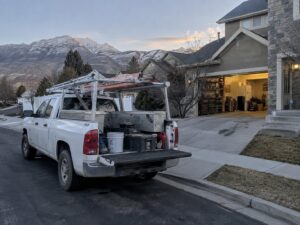
Lindon sits between Orem to the south and Pleasant Grove to the north, occupying a distinct position in Utah County’s urban geography. Smaller than the cities that flank it, Lindon has maintained a mixed character combining established residential neighborhoods, some remaining semi-rural pockets with larger lots and agricultural heritage, newer suburban development on formerly agricultural land, and foothill neighborhoods in the eastern portion of the city. Our response to Lindon properties typically runs 44–69 minutes during business hours. Lindon’s specific character — the mix of property types, the ongoing transition from agricultural to residential in specific areas, and the varying elevation from Utah Lake bench up into the foothills — produces water damage patterns and response considerations distinct from surrounding cities. This page covers Lindon-specific water damage response.
Lindon at a Glance
City Overview
Lindon has a population of approximately 11,500 (2020 census), making it substantially smaller than Orem or Provo but larger than some Utah County cities. The city sits at approximately 4,650 feet elevation at its western edge and rises to over 5,000 feet in the eastern foothill neighborhoods. Lindon is known for its mixed character combining established residential, agricultural heritage, and newer development. The city is bounded by Orem to the south, Pleasant Grove to the north, and rises into the foothills to the east.
Property Types
Lindon’s property mix reflects its transitional character between traditional agricultural community and modern suburban city:
- Mid-century established homes (1950–1980): Substantial portion of Lindon’s residential inventory, characterized by mid-century construction on standard lots
- Later suburban development (1980–2010): Ongoing residential development throughout this period on formerly agricultural land
- Newer construction (2010–present): Recent development continuing to expand residential inventory
- Agricultural heritage properties: Older properties on larger lots, sometimes with outbuildings and specific historical character, distributed throughout the city rather than concentrated in specific districts
- Foothill neighborhoods: Eastern Lindon neighborhoods rising toward the Wasatch foothills
- Multi-family: Limited multi-family inventory compared to Orem or Provo, but growing
- Commercial: Commercial development along State Street (SR-89) and specific corridors including newer commercial in redevelopment areas
Water Supply and Infrastructure
Lindon City Water Department manages water supply through the Central Utah Water Conservancy District system. Water characteristics:
- Hard water (22–26 gpg mineral content, similar to surrounding Utah County cities)
- Mixed infrastructure age (aging in older neighborhoods, modern in newer development areas)
- Pressure variation by elevation across the city
Common Water Damage Patterns in Lindon
Certain patterns show up in Lindon due to the specific building stock and geographic characteristics:
- Aging plumbing in mid-century homes: Copper pinhole leaks and cast iron drainage failures similar to Orem’s mid-century housing stock
- Basement flooding: Common in mid-century homes with finished basements and specific water table considerations in some Lindon locations
- Agricultural property water issues: Larger lot properties with older construction and sometimes complex plumbing/drainage systems
- Foothill neighborhood freeze events: Higher-elevation eastern Lindon properties experience more freeze events than lower-elevation areas
- Ice dam damage: Foothill properties have specific ice dam risk during winter freeze-thaw cycles
- New construction fitting failures: Newer Lindon construction has the fitting-failure patterns typical of PEX/CPVC systems in early service life
Lindon Water Damage Services
Lindon-focused services offered:
- Water damage restoration in Lindon
- Emergency water damage response in Lindon
- Water extraction in Lindon
- Structural drying in Lindon
- Moisture detection in Lindon
Lindon-Specific Considerations
Mixed Property Type Response
Lindon’s mix of property types across the city means water damage response varies significantly depending on the specific property:
- Mid-century established homes follow patterns similar to older Orem or Provo residential response
- Newer construction follows patterns similar to Vineyard or newer Pleasant Grove response
- Agricultural heritage properties require specific attention to outbuildings, larger lots, and property owner priorities
- Foothill properties require attention to freeze and elevation considerations
Agricultural Heritage Properties
Older properties on larger lots throughout Lindon have specific characteristics:
- Outbuildings (barns, sheds, workshops) potentially requiring separate scope for water damage
- Well water systems in some rural-adjacent properties, though most Lindon properties use city water
- Septic systems in some properties with specific plumbing considerations
- Larger lot layouts affecting equipment access and logistics
- Sometimes complex ownership situations (family properties with multiple owners) affecting response coordination
Foothill Neighborhoods (Eastern Lindon)
Lindon neighborhoods rising toward the Wasatch foothills in the eastern portion of the city have specific considerations:
- Higher elevation with more freeze-thaw cycles
- Ice dam risk during winter freeze events
- Larger lots and specific development patterns
- Winter access can be affected by weather conditions
- Views but specific building considerations for hillside development
Growing Commercial Development
Lindon’s commercial development has grown significantly along State Street and specific corridors, producing regular commercial restoration work:
- State Street (SR-89) commercial including retail, restaurants, and mixed-use
- Redevelopment areas with newer commercial buildings
- Some office and business park development
- Standard commercial coordination protocols apply
Alpine School District Coordination
Lindon is part of Alpine School District. School properties in Lindon have specific coordination requirements for water damage response including district facility management protocols, scheduling around school operations, and specific procurement processes for institutional work.
American Fork Creek Watershed
Portions of Lindon fall within the American Fork Creek watershed, producing specific flood exposure for properties in the watershed. During high-water years, creek overflow can affect adjacent properties. NFIP coverage recommended for properties in mapped flood zones.
Lindon Insurance Environment
Insurance carriers active in Lindon residential market are similar to surrounding cities:
- State Farm (largest presence)
- USAA (military-connected families)
- Bear River Mutual (Utah-based regional carrier)
- Allstate, Farmers, American Family, Liberty Mutual, Progressive, Auto-Owners
- Some agricultural policies for rural-adjacent properties
Lindon’s mixed property character produces varied insurance patterns: standard urban homeowner coverage for typical residential; some farm/ranch policies for agricultural-heritage properties; and standard commercial coverage for growing commercial base.
Access and Response Considerations
Response to Lindon from our Provo base typically uses I-15 to Lindon exits or State Street through Orem. Response time varies by specific location within the city:
- Standard response times: 44–69 minutes during business hours
- After-hours response: 2–5 hours for standard events
- Foothill neighborhoods can require longer access time particularly during winter
- Rush hour periods affect I-15 and State Street access
Frequently Asked Questions
- My Lindon home is on a larger lot with an outbuilding that also had water damage. Do you handle that?
- Yes, outbuildings are part of standard scope for properties that have them. Common Lindon outbuilding situations: detached garages with water damage from various sources (roof leaks, plumbing if plumbed, ice dam events), workshops or shops with water damage requiring restoration, barns or agricultural outbuildings with specific characteristics, and detached storage buildings with water damage. Our approach for outbuildings: assessment during initial evaluation to identify all affected structures on the property, separate scope development for each outbuilding based on its specific damage and construction, coordination with the property owner about priorities (some outbuildings may be higher priority than others depending on use), and appropriate restoration for the specific building type. Insurance coverage for outbuildings depends on your specific policy: standard homeowner policies typically include “other structures” coverage for detached buildings (often at 10% of dwelling coverage as the standard limit), though specific outbuildings with high value may need scheduled coverage; farm and ranch policies have different structures for outbuilding coverage. For property owners with multiple structures involved, discuss with your adjuster about how the coverage applies to your specific situation.
- My Lindon property is in the foothills. Do you handle winter access issues?
- Yes, though winter conditions do affect response timing and logistics. Foothill neighborhood considerations during winter: response vehicles may take longer than standard due to icy or snow-covered roads; specific properties with steep driveways may require creative equipment access; snow removal at the property may be needed before we can complete work; specific work approaches may need adjustment for cold conditions (drying protocols for below-freezing environments differ from standard warm-weather approaches). During major winter storm events, response across foothill neighborhoods may be extended due to conditions. For property owners in foothill neighborhoods: plan for slightly longer response than lower-elevation Lindon properties, ensure driveway and property access is maintained during winter, and understand that our response capability is fundamentally the same — just with slightly different logistics. We’ve handled numerous foothill projects throughout eastern Lindon and adjacent foothill areas over the years; the specific conditions add complexity but don’t prevent proper response.
- How does response to Lindon compare to Orem given they’re right next to each other?
- Response time to Lindon is very similar to Orem, with slight variation based on specific property location. Our 44–69 minute Lindon response compares to 41–68 minutes for Orem — essentially identical range with slight variation depending on where in each city the specific property sits. The two cities are directly adjacent, so travel time from our Provo base is essentially the same. Practical implications: our capability and response quality are identical between Orem and Lindon; pricing follows standard Xactimate costs without location-based variation; the specific characteristics of your property (mid-century home, newer construction, foothill vs. lower elevation) matter more than the specific city for response approach; and we have similar experience and volume across both cities. For property owners on the Orem-Lindon border, this means no meaningful difference in what we can provide regardless of which side of the city line the property sits on.
- Lindon has a lot of newer construction and a lot of older homes mixed together. How do you handle that?
- Our approach adapts to the specific property being worked on. For mid-century established homes in Lindon: attention to aging plumbing patterns (copper pinhole leaks, cast iron drainage failures), potential asbestos considerations for pre-1980 construction with popcorn ceilings or specific materials, preservation approaches for original elements worth keeping, and coordination with the specific building era. For newer Lindon construction: attention to PEX/CPVC fitting patterns, coordination with any applicable builder warranty, modern building envelope considerations, and typical newer-home restoration approaches. For property owners with mixed-era neighborhoods, our capability spans the full range so we adapt to whatever your specific property requires. Assessment during initial evaluation identifies the specific property type and appropriate approach; the response then proceeds with the specific protocols for that property.
- Does Lindon’s smaller size mean fewer contractors are available for restoration work?
- Somewhat, particularly for specialized services, but adequate coverage exists across the region for standard water damage response. Lindon itself has fewer restoration contractors headquartered in the city compared to Orem or Provo, but contractors from surrounding cities (including us from Provo, and contractors from Orem, Pleasant Grove, and elsewhere) cover Lindon standard response effectively. For specialized services (specialty content restoration, art conservation, specific commercial building types), coverage may involve contractors from Salt Lake or other regional centers. For standard water damage response — extraction, drying, mold remediation, reconstruction — Lindon has adequate options from regional contractors including us. Our advantage for Lindon work: consistent Utah County-focused operation with familiar patterns across the region, standard Xactimate pricing without location premium, and direct dispatch from our Provo base which provides reliable response timing. For any specific project needs, contact us to discuss whether our services fit your particular situation.
Contact Vault Mold Removal — Provo, UT
For water damage response in Lindon or coordination for specific projects, contact our office directly.
- Phone: (385) 250-2825
- Address: 1169 S 760 W, Provo, UT 84601
- Utah DOPL General Contractor License: #11876543-5501
- IICRC WRT / ASD / AMRT / OCT: #248317 / #248317-ASD / #319482 / #319482-OCT
Office Hours
- Monday – Saturday: 8:00 AM – 5:00 PM
- Sunday: Closed
Who shows up on your job
You get Vault’s W-2 crew — Marcus, Ryan, Elena, Daniel and Joseph — not a lead-gen handoff and not a franchise sub. Reconstruction (drywall, flooring, cabinetry, paint) is done by the same crew under Utah DOPL License #11876543-5501.
Written warranty
24-month workmanship warranty on drying, structural repairs, drywall, flooring, cabinetry and paint done by Vault. 90-day mold warranty from post-remediation clearance for recurrence from the same moisture source. Both are transferable once to a new homeowner, in writing on the work order.
We bill your carrier directly
Direct-billing with State Farm, USAA, Allstate, Farmers and Bear River Mutual. Every scope is written in Xactimate; you pay only your deductible plus anything the policy doesn’t cover. Not on this list? We still handle the claim.
More Lindon services: Basement flooding cleanup in Lindon · Dehumidification in Lindon
Business owners in Lindon: Commercial Water Damage Restoration in Lindon, UT — call (385) 250-2825, answered live 24/7.
Fire damage in Lindon: Fire Damage Restoration in Lindon, UT — call (385) 250-2825, answered live 24/7.
Helpful guides: What if water damage isn’t fixed? · Water meter leak test · Your deductible, explained
What our Lindon customers say
“We noticed a strange smell near our upstairs bathroom and eventually found moisture around the shower wall. The team inspected the affected area and explained the mold remediation process before starting. They took precautions to keep dust contained, which was important with kids in the house.”
— Sarah K., Lindon, Utah
Other cities we serve
Frequently asked questions
How fast is Vault's response in Lindon?
Vault's '44-Min Response' figure on Lindon pages reflects typical arrival; actual time depends on traffic. Call (385) 250-2825 and the crew is dispatched live, 24/7.
What's typical for Lindon jobs?
Mix of older homes and newer construction, mother-in-law apartments, detached workshops, radiant floor heat, and water softener discharge issues. Our Lindon case studies include a basement MIL-apartment toilet failure, a radiant hydronic floor heat leak, an irrigation backflow issue at spring startup, and a water softener discharge line disconnection.
Do you handle hard-water equipment problems?
Yes. Water softeners and water heaters fail more often in Utah County hard water. We dry resulting damage and document for the claim; a plumber replaces the equipment.
Will you bill my insurance directly?
Yes. Vault bills State Farm, USAA, Allstate, Farmers, and Bear River Mutual directly, and works with other carriers.
Questions we didn’t cover? Call (385) 250-2825.