
About this job
A real Vault job in Provo. The crew that handled it was Vault’s own W-2 team — no subcontractors, no franchisee hand-off. Same crew answers the phone and shows up at the door.
- Call any hour: (385) 250-2825 answered live 24/7. 45-min guarantee Provo (Mon-Sat 8-5); under 60 min elsewhere in Utah County.
- Who did the work: Vault’s W-2 crew, IICRC WRT/ASD/AMRT/OCT, Utah DOPL #11876543-5501.
- Insurance: Xactimate scopes submitted direct to State Farm, USAA, Allstate, Farmers, Bear River Mutual, and most national carriers.
- Pricing: water mitigation $3,500-$8,500; reconstruction $4,500-$9,500. 24-month warranty, Wisetack financing.
- Family-owned and veteran-operated, based in Provo since 2020.
See Vault in Provo, all Provo case studies, or water damage services.
Real Vault job — Sherwood Hills, Provo
- Approximate location
- Near Sherwood Drive
- When
- April 2026
- What happened
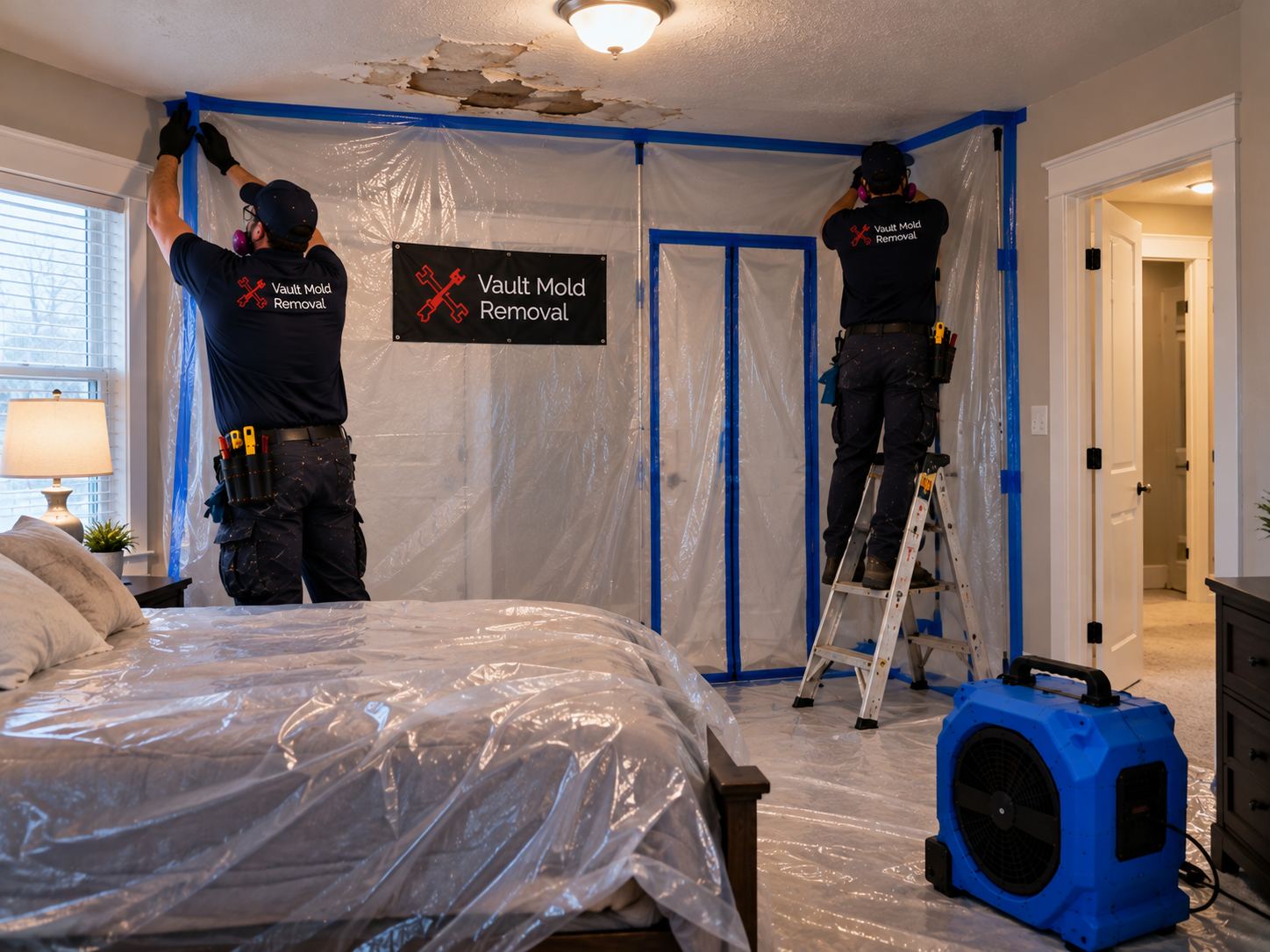
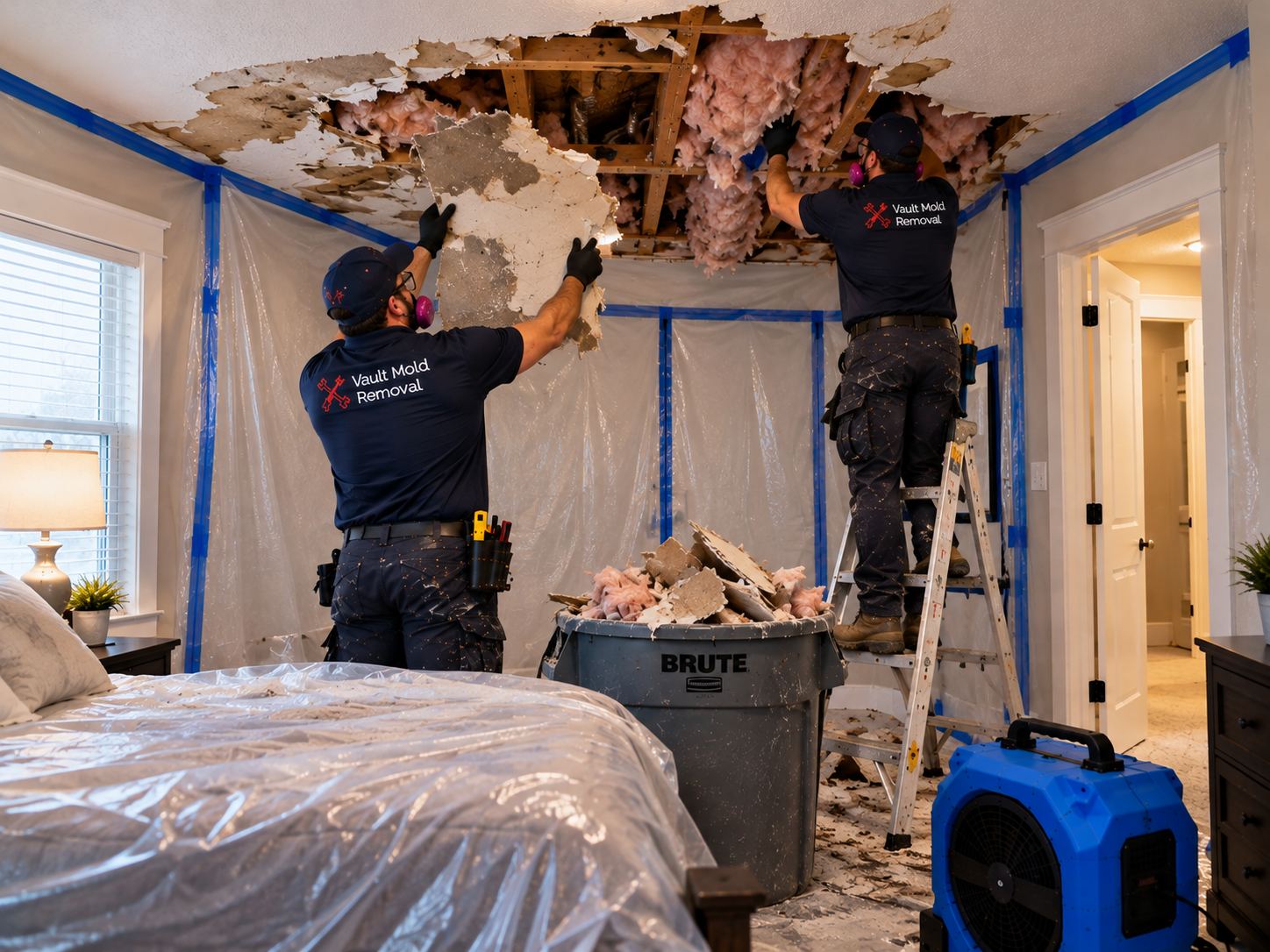
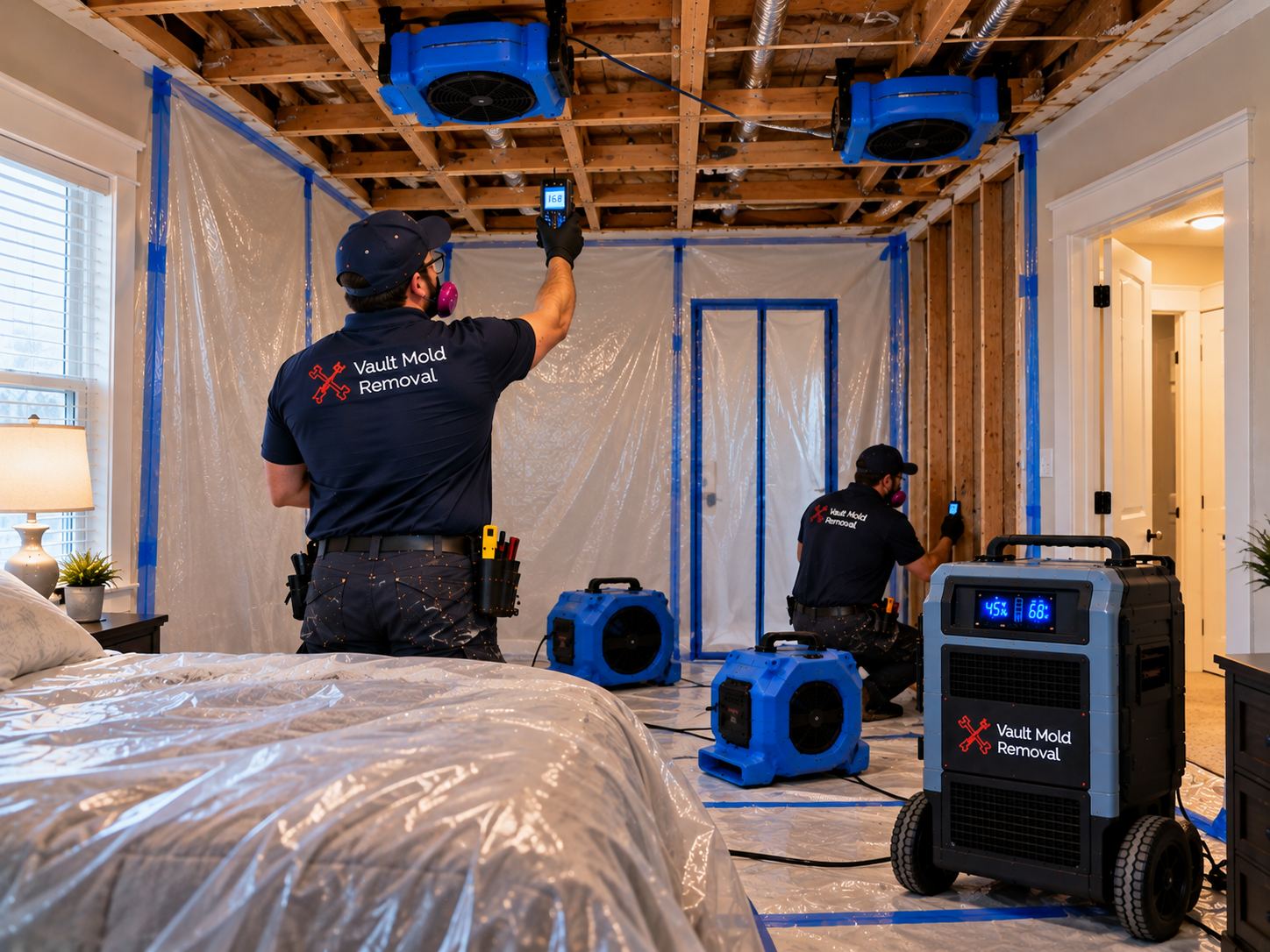
- Heavy spring rainfall entered through deteriorated roof flashing, soaking attic insulation and upstairs bedroom ceiling.
- What Vault did
- Wet insulation removal and structural drying.
Water Damage Restoration in Sherwood Hills, Provo
Sherwood Hills is the older east Provo hillside neighborhood — the first wave of Provo bench development from the 1960s and 1970s, sitting on graded terraces below what would later become Foothills, Indian Hills, and Oak Hills. Streets like Sherwood Drive, Marrcrest, and Robin Lane run laterally across the slope with 30 to 60 feet of elevation gain across the neighborhood footprint. Housing stock is mid-century hillside ranchers and split-levels, mostly single-story or split-level construction on stepped concrete foundations following the grade. This was Provo’s first attempt at bench development, and the construction reflects mid-century thinking — solid, well-built, but with mid-century materials that are now aging out on predictable timelines.
Response time from our Provo dispatch to a Sherwood Hills address averages 33 minutes daytime and 57 minutes overnight, logged over three years of dispatch records. Lower Sherwood Hills near the Edgemont border runs 30 to 32 minutes daytime. Upper Sherwood Hills approaching the Foothills boundary runs 35 to 38 minutes daytime.
What Sherwood Hills Construction Looks Like
Sherwood Hills is Provo’s mid-century hillside pioneer construction. Homes almost universally share: platform framing with fire blocking, copper supply lines (original 1960s-1970s installations, now approaching or past 55 years of service life), cast-iron drain converted to ABS in many homes through partial re-piping, drywall over 2×4 stud framing, and stepped concrete foundations following the hillside grade. Most homes have partial basements or crawlspaces on the uphill side and above-grade construction on the downhill side — an early version of what would later become walkout basement design.
Copper supply lines from the 1960s-1970s window are now the primary Sherwood Hills failure concern. Aggressive water chemistry from Central Utah Water Conservancy District supply (22 to 26 grains per gallon hardness in the Provo distribution zone) has been slowly eroding copper wall thickness for 50+ years, and pinhole failures at fittings and bends are increasingly common in the original installations. Whole-house re-pipe to PEX is a routine Sherwood Hills decision at this point in the neighborhood’s plumbing lifecycle.
Foundation geometry matters for Sherwood Hills restoration. Stepped foundations create split-level or multi-level configurations where plumbing crosses between grade levels through the interior stack, and diagnostic access can be complicated by half-story wall arrangements. HVAC ductwork often routes through crawlspace or partial basement areas that also carry plumbing runs, which means water events can affect ductwork alongside primary structural damage.
Typical Sherwood Hills Failure Patterns
- Copper pinhole leaks at fittings and bends
- Primary Sherwood Hills failure mode. Age-related pinhole failures in 1960s-1970s original copper installations. Small-volume, often gradual, common enough that neighborhood-wide re-piping is a recurring conversation.
- Water heater tank rupture
- Standard failure mode. Sherwood Hills mechanical rooms often located in partial basement or utility spaces adjacent to living areas — rupture can affect substantial adjacent finished space.
- Split-level plumbing complexity
- Half-story wall arrangements make failure localization more complex than single-story ranch construction. Thermal imaging is essential for identifying source through cavity paths.
- Partial basement flooding from exterior drainage
- Hillside setting means water flows downhill across Sherwood Hills lots. Perimeter drainage failures allow water intrusion into partial basement or window wells.
- Winter freeze failures at exposed exterior wall supply runs
- Some Sherwood Hills homes have exterior wall supply runs with inadequate insulation. Provo January design temperature 7°F stresses these installations during extended cold snaps.
Neighborhood-Level Copper Aging
Sherwood Hills exemplifies a Provo phenomenon: entire neighborhoods built out during a specific window are all aging their original plumbing on the same timeline. When a neighborhood was developed in a 5- to 10-year build window, most of the original copper installations reach 50-year service life within a similar window. That’s why some Provo neighborhoods see cluster years of pinhole failure calls — the underlying plumbing across the neighborhood is failing on a similar schedule.
Practical implication: if you’ve had a pinhole leak in a 1960s or 1970s Sherwood Hills home with original copper, others are likely within the next several years. Whole-house re-pipe to PEX is not a cheap decision (typically $8,000 to $18,000 depending on home size and complexity), but the aggregate cost of individual pinhole restoration claims over the following decade often exceeds the re-pipe cost. This is a plumbing decision rather than a restoration one, but we note the pattern when it applies.
Insurance Documentation for Sherwood Hills Losses
Utah Code 31A-26-301.5 requires acknowledgment within 15 days and coverage determination within 30 days of proof of loss. Sherwood Hills claims run standard mass-market carrier programs — State Farm, USAA, Allstate, Farmers, and Bear River Mutual are all common. Documentation preferences differ slightly between carriers but our baseline standard fits all of them.
Watch-item on Sherwood Hills claims: gradual pinhole leak damage can face “gradual vs. sudden and accidental” coverage disputes. The pinhole itself is a sudden failure of the pipe wall, but the accumulated damage from weeks of small-volume leaking may be characterized as gradual by the carrier. Documentation of the specific pinhole failure event and comparison of recent versus long-standing damage patterns supports the sudden-and-accidental position.
Pre-1978 homes fall under EPA RRP requirements at 40 CFR 745 for lead-safe work practices during any demolition or reconstruction that disturbs painted surfaces. Sherwood Hills built out primarily 1960-1977, so nearly the entire neighborhood is pre-1978. We hold firm-level EPA RRP certification and every Sherwood Hills work order goes through RRP protocols.
Frequently Asked Questions
- My whole street seems to be having copper leaks. Am I imagining that?
- No, you’re not. Sherwood Hills built out primarily 1960-1977, and the original copper supply lines are now aging out on a similar timeline. Multiple pinhole failures across the neighborhood in the same few years is expected. If you’ve had one pinhole leak already, others are likely — whole-house re-pipe to PEX becomes a reasonable proactive consideration at this point in the neighborhood’s plumbing lifecycle.
- My mid-century home has a half-basement on the uphill side and I can’t tell where the leak is coming from. How do you find it?
- Common Sherwood Hills split-level diagnostic challenge. Water crossing between half-story levels through interior stacks produces surface symptoms that can be hard to trace to source without instruments. We map with thermal imaging first to identify affected wall cavity zones across all levels, then use pressure isolation testing on plumbing segments to narrow to specific runs. Half-story wall access sometimes requires drywall opening from a specific level — we plan access before cutting.
- I’m considering re-piping to PEX. Should I do it before or after the restoration?
- If you’re going to re-pipe anyway, coordinating the re-pipe with restoration demolition compresses total disruption. Walls are already open, lead-safe containment (if applicable) is already in place, and the total project window is shorter than doing the two separately. We coordinate with your plumber on scheduling and access. The re-pipe cost is not part of restoration scope and not covered by insurance (that’s plumbing service work), but the timing coordination adds no cost and saves substantial disruption.
- My insurance is saying the leak was “gradual” and disputing coverage. What can be done?
- Documentation. The pinhole itself is a sudden failure — a specific point in the pipe wall gave way at a specific moment. The accumulated damage from small-volume leaking before discovery is a separate question. We document the actual pinhole failure with photos, note the specific fitting or bend location, and compare damage patterns (recent vs. long-standing) with moisture and material evidence. Adjusters sometimes reverse “gradual” determinations when the documentation supports sudden-and-accidental origin. If not, the dispute may go to appraisal or litigation — that’s beyond restoration scope but we provide the documentation basis.
- My house is 1971, so pre-1978. Does that affect the restoration?
- Yes, if any demolition or reconstruction disturbs painted surfaces. EPA RRP rules at 40 CFR 745 require lead-safe work practices in pre-1978 homes — plastic containment, dust suppression, HEPA cleanup, disposal of dust and debris as regulated waste. We hold firm-level RRP certification and every tech carries individual renovator certification. Practical impact on your restoration: scope is a little longer, containment is a little more elaborate, and dust is thoroughly cleaned up.
Contact Vault Mold Removal
Phone: (385) 250-2825
Address: 1169 S 760 W, Provo, UT 84601
Hours: Monday–Saturday, 9:00 AM – 5:00 PM
Service Area: Sherwood Hills, all Provo neighborhoods, and surrounding Utah County communities.
Water damage in Provo?
Call (385) 250-2825 — answered live 24/7 by the Vault crew, not a call center. Inside Provo city limits, Monday–Saturday, 8 AM–5 PM, we guarantee arrival in 45 minutes — see the terms.
Real Vault jobs in Provo
Each of these is a real job done by Vault’s own W-2 crew. Call (385) 250-2825, answered live 24/7.
- Downtown — February 2026
- East Bay — July 2026
- Edgemont — June 2026
- Foothills — May 2026
- Franklin — December 2025
- Franklin South — March 2026
- Grandview North — September 2026
- Grandview South — August 2026
- Indian Hills — April 2026
- Joaquin — November 2025
- North Park — January 2026
- Oak Hills — July 2026
- Provost — June 2026
- Riverbottoms — May 2026
- Rivergrove — March 2026
- Rock Canyon — February 2026
- Sherwood Hills — April 2026
- Sunset — August 2026
- Timp — December 2025
- Wasatch — January 2026
- 1908 Joaquin Bungalow Galvanized Failure
- Downtown Mid-Rise Sprinkler Discharge
- Edgemont Hidden Crawlspace Pinhole
- Foothills Walkout Washer Cascade
- Franklin Sewer Backup Root Intrusion
If a job like this is happening to you
Vault handles jobs like the one above every day across Utah County. Here’s what else is worth reading before you call:
- Why Vault — W-2 crew, 45-min Provo guarantee, in-house mold clearance, no franchise call center.
- Insurance claims — how we document the damage and bill State Farm, USAA, Allstate, Farmers, Bear River Mutual directly.
- 24-month warranty — what’s covered and how to open a claim.
- Wisetack financing — $500-$25,000 over 3-24 months, soft credit check.
- Service area — confirm your city is one of the 6 we cover.
- Water damage timeline — why every hour of head start cuts the final bill.
Call now: (385) 250-2825 — answered live 24/7 by the Vault crew.
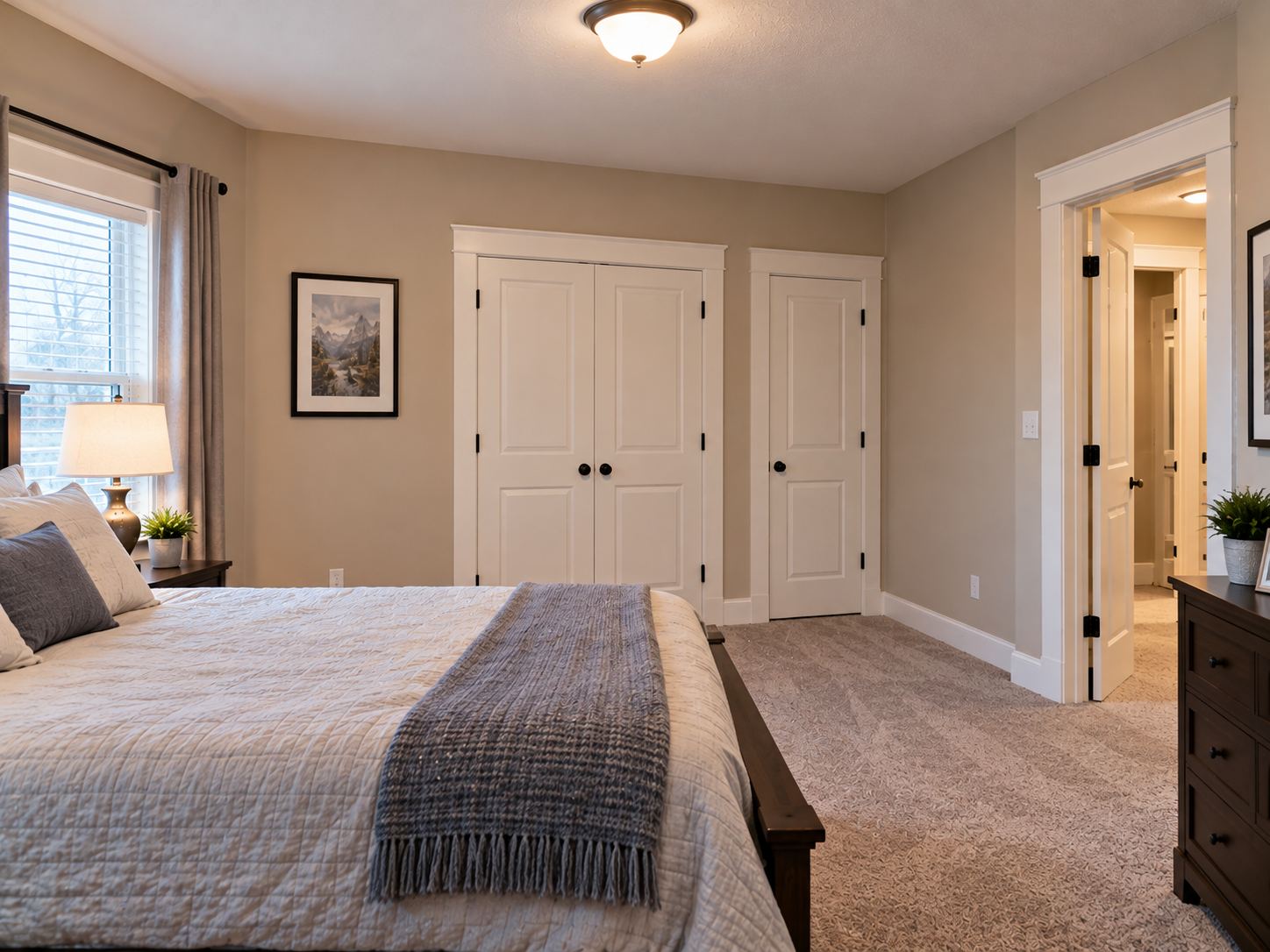
Photos from this Sherwood Hills job
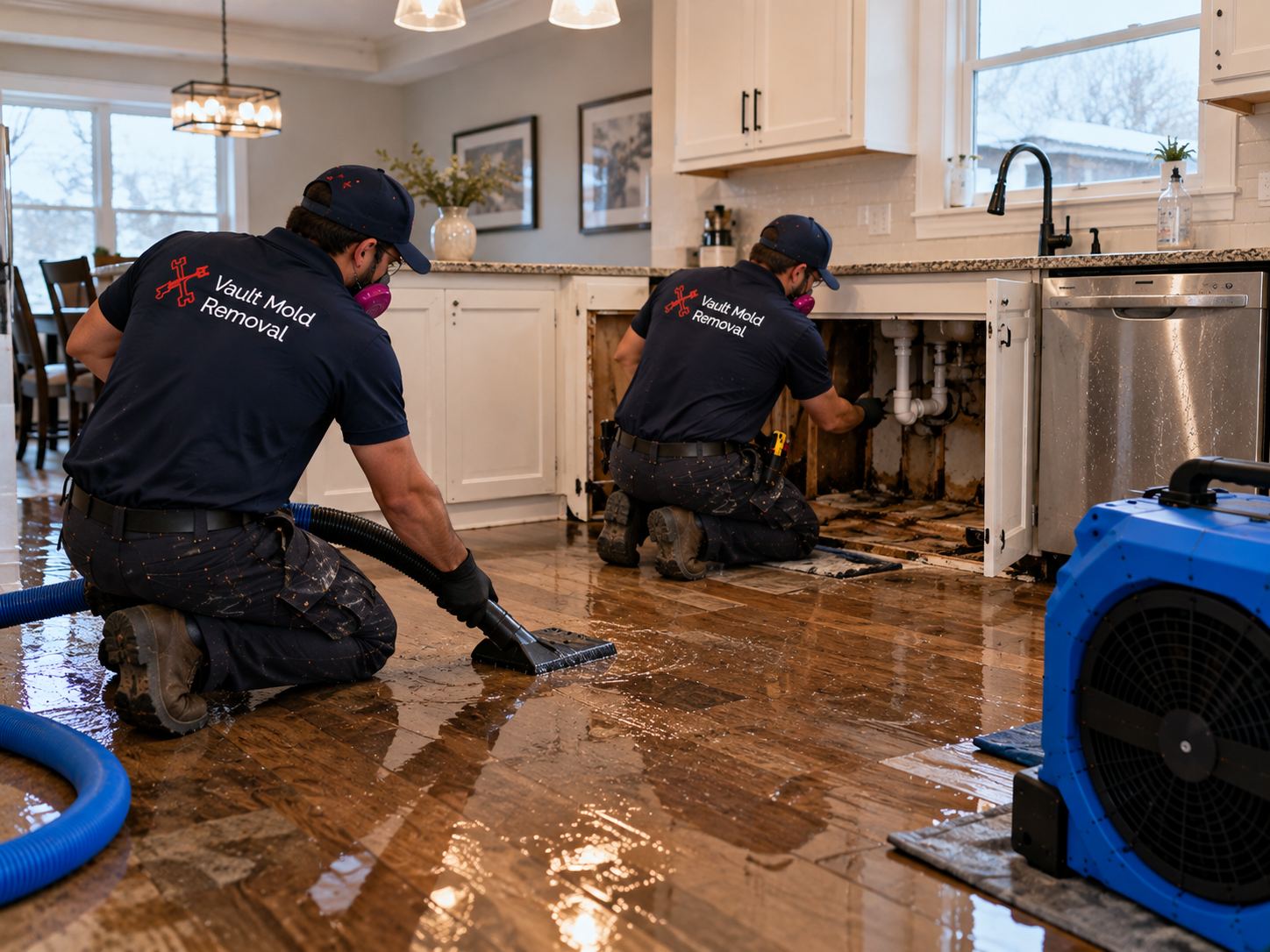
Real photos taken by the Vault crew during this Sherwood Hills, Provo water damage job in April 2026 — roof flashing leak on Sherwood Dr.
Dealing with something similar?
This job started with a roof flashing leak. If that sounds like what you’re facing, these guides cover what to do first:
Roof leak — interior water damage · Mold in your attic
Or call (385) 250-2825 — answered live 24/7.
Helpful guides: What if water damage isn’t fixed? · Documenting damage for insurance
Need help with a job like this?
water damage restoration in Provo · emergency water damage restoration in Provo · sewage cleanup in Provo · mold remediation in Provo
Have a job like this in Provo? See water damage restoration in Provo, or call (385) 250-2825 for a free written estimate.